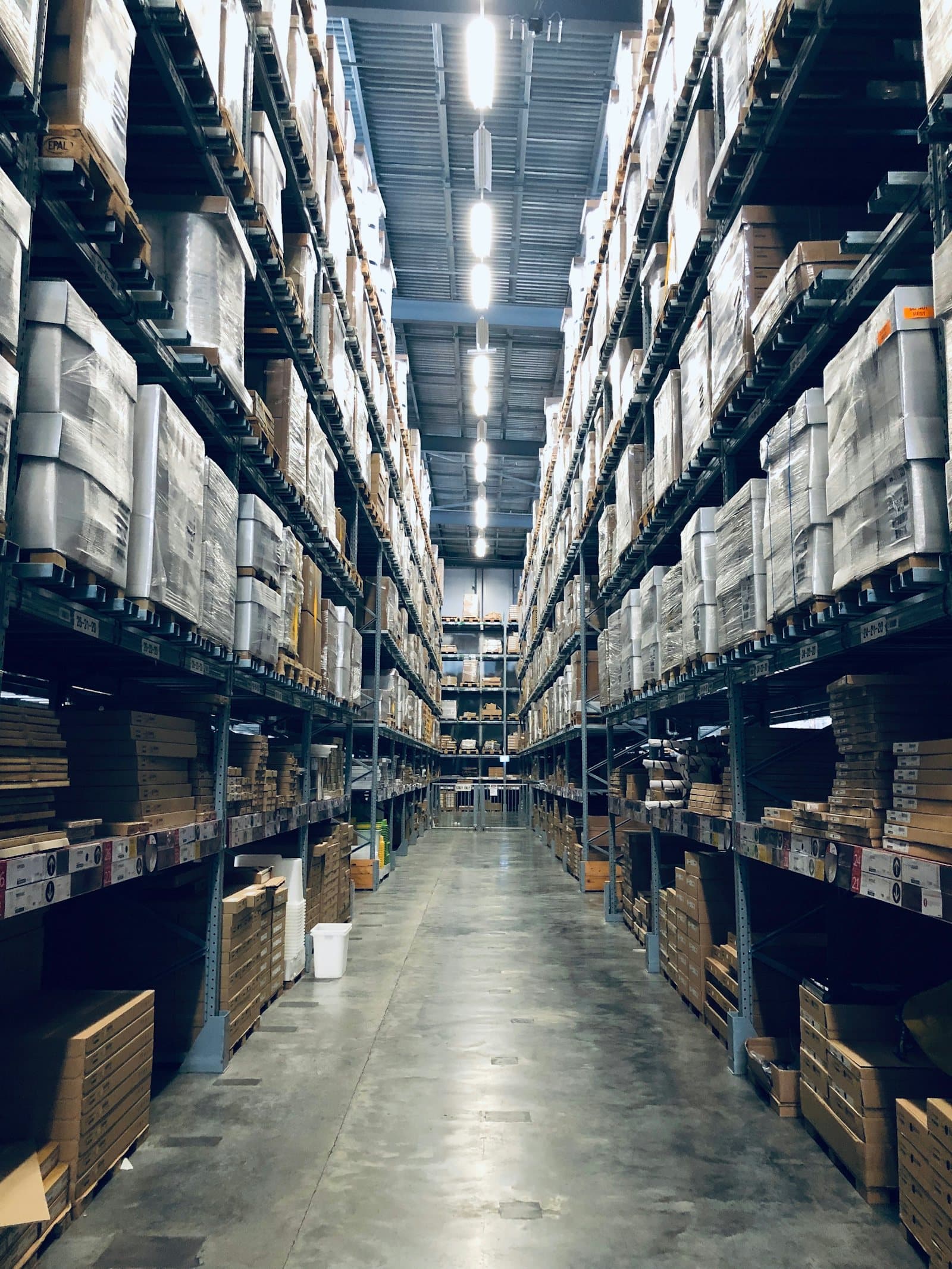
Automation for Warehousing
In warehousing the money doesn't vanish in one place - it bleeds a few dollars at a time on every carrier invoice nobody audits, every mispick that ships, every count that's wrong, and every "where's my order?" call that didn't need to happen.
The shared challenge in Warehousing
US small-to-midsize warehouses run on thin, volume-driven margins where labor can reach roughly half of operating cost and a single percentage point of error multiplies across thousands of transactions a month. Most still reconcile freight bills, cycle counts, and receiving by hand in spreadsheets bolted onto a WMS or ERP that don't talk to each other, so errors are caught late or never. The shared challenge is not a lack of data but a lack of connected, automated checks that catch the leak before it becomes a chargeback, a re-ship, a stockout, or an overtime shift.
The hook
In warehousing the money doesn't vanish in one place - it bleeds a few dollars at a time on every carrier invoice nobody audits, every mispick that ships, every count that's wrong, and every "where's my order?" call that didn't need to happen.
The leaks we model — and how we plug them.
A dashboard of the highest-ROI automations for this vertical. Tap any row to drill into the worked ROI math, the services that power it, and the cited sources behind every number.
Modeled on cited industry benchmarks; individual results vary.
The services that power Warehousing

FAQAutomating Warehousing, answered
ShowHide
Automating Warehousing, answered
How does StreamlineLabs help a warehouse operation?
StreamlineLabs builds a self-auditing warehouse that stops the margin leaks on every load, pick, and count — flagging mis-picks, reconciling inventory automatically, and surfacing discrepancies before they ship. The result is fewer write-offs and chargebacks from the same footprint.
Can automation improve inventory accuracy?
Yes — StreamlineLabs automates cycle counts and reconciliation so inventory records match reality continuously instead of at a quarterly scramble. Discrepancies are caught and routed for review while they're still small and cheap to fix.
Do we need new hardware to automate the warehouse?
Not usually — StreamlineLabs works with your existing WMS, scanners, and ERP data first, layering automation on top of what you already run. We start with the highest-leak workflow and expand once it's proven against your baseline.
How fast can a warehouse see results from automation?
Most StreamlineLabs warehouse pilots go live in about 7–14 days, starting with the workflow leaking the most margin — mis-picks, miscounts, or reconciliation. Results show up against the baseline we capture first, so you can see fewer write-offs and chargebacks from the same footprint within the first cycle.
What does warehouse automation cost, and what's the payback?
StreamlineLabs scopes cost to the volume of loads, picks, and counts involved and baselines the write-offs and chargebacks it prevents before quoting. Because the savings are measurable per shipment, the recovered margin typically pays back the engagement within a quarter or two.
How does automation catch discrepancies without slowing us down?
StreamlineLabs layers self-auditing checks on top of your existing WMS and scanner data, so mis-picks and count discrepancies are flagged automatically in the background and routed for review while they're still small. Your team keeps working as usual — the system catches the leaks they can't watch for manually.
Ready to streamline the busywork?
Partner with us to automate the manual work, connect the systems your operation runs on, and scale what works. Let's map the fastest path to measurable results.